
Sentencing and after
Dallas federal sentencing and plea agreement lawyer.
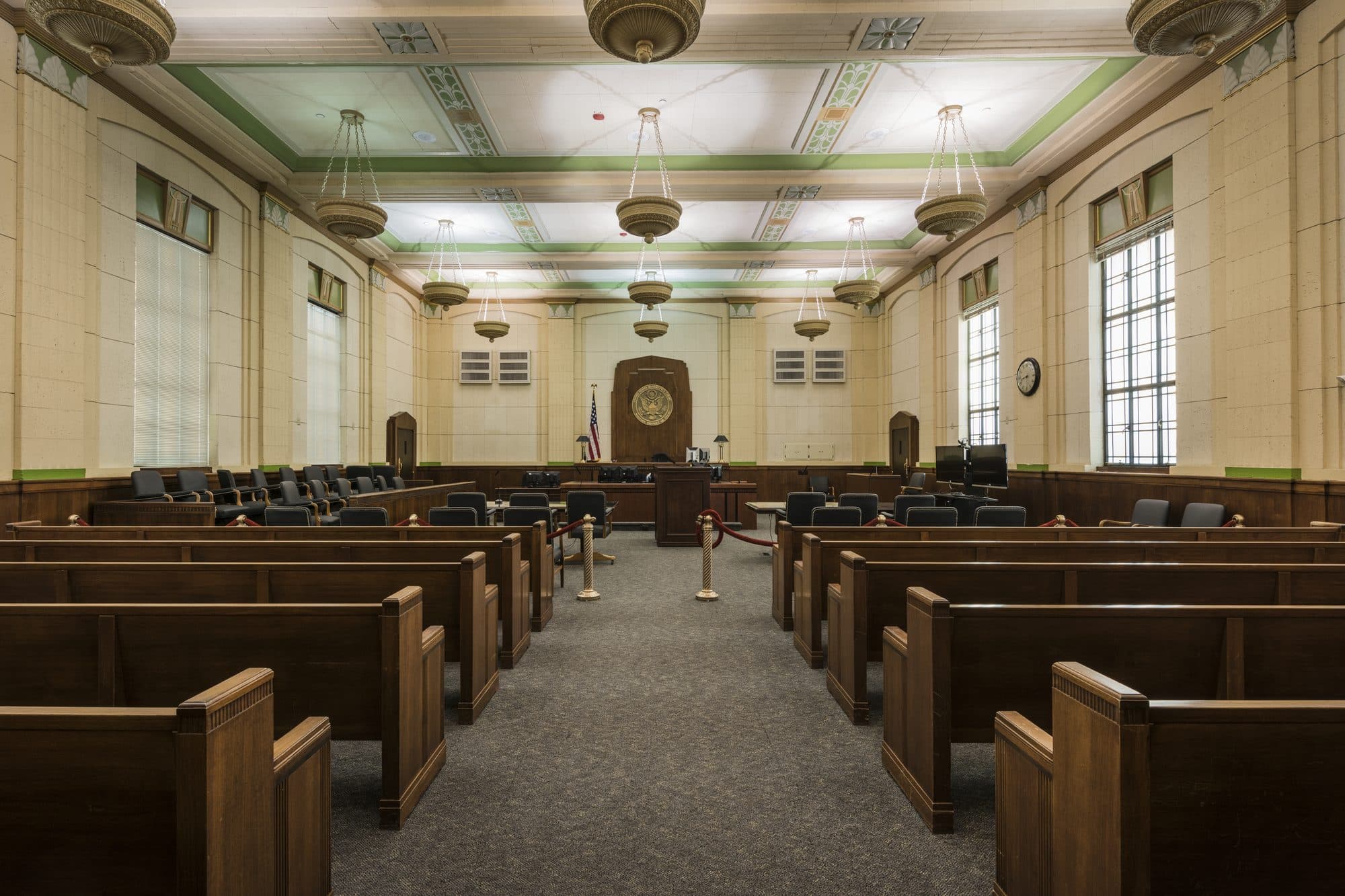
Most federal cases end in a guilty plea, which means the real contest is often the sentence. The number comes from the sentencing guidelines, the presentence report written by a probation officer, and the reasons the judge hears at the hearing. Small errors in that report can cost years. We calculate the range before any plea, prepare you for the probation interview, object to what is wrong and build the strongest honest picture of who you are.
Right now
If you are about to plead or be sentenced.
- 01
Know your guideline range before you sign
A plea agreement can lock in drug quantity, loss amount or other facts that drive the range. Ask for the calculation in writing before you agree to anything.
- 02
Prepare for the presentence interview
A probation officer will ask about your history, family, health, work and finances. Your lawyer should be there, and you should bring documents.
- 03
Start gathering letters and records
Letters from employers, family, church and community, plus medical, treatment and school records. Judges read them.
- 04
Stay in full compliance
A failed drug test, a missed check-in or a new arrest before sentencing can cost the acceptance of responsibility credit and lead to custody.
- 05
Call us for a free consultation
We can step in before the plea, before the presentence report, or before the hearing. Earlier gives you more options.
Key deadlines and numbers
- Presentence report
- Given to you at least 35 days before sentencingSource: Fed. R. Crim. P. 32(e)(2)
- Objections to the report
- Due within 14 days of receiving itSource: Fed. R. Crim. P. 32(f)(1)
- Guidelines
- Advisory. Since Nov. 1, 2025, the judge figures the range, then decides the sentence under 18 U.S.C. 3553(a)Source: USSC 2025 amendments summary
- Parole
- None. Up to 54 days of good conduct credit per year, about 85% servedSource: 18 U.S.C. 3624(b)
- Notice of appeal
- 14 days after judgmentSource: Fed. R. App. P. 4(b)
Texas law
How a federal sentence is calculated.
The guidelines assign an offense level, based on the crime and specific facts like drug quantity or loss, and a criminal history category from I to VI. Where the two meet on the sentencing table is the guideline range. The judge must calculate it correctly, then impose a sentence sufficient, but not greater than necessary, under 18 U.S.C. 3553(a). Mandatory minimums set a floor unless a specific exception applies.
| Factor | Effect on offense level | Notes |
|---|---|---|
| Acceptance of responsibility (3E1.1) | Minus 2, or minus 3 | The third level requires a government motion and an offense level of 16 or more. |
| Zero-point offender (4C1.1) | Minus 2 | No criminal history points and none of the listed disqualifiers, such as violence, a gun or a leadership role. |
| Safety valve in drug cases (2D1.1 and 18 U.S.C. 3553(f)) | Minus 2, and no mandatory minimum | Strict criteria on record, violence, role and a truthful statement. |
| Minor or minimal role (3B2.1) | Minus 2 to minus 4 | Compared with the others involved in the same offense. |
| Leader, organizer or supervisor (3B1.1) | Plus 2 to plus 4 | Often disputed in conspiracy cases. |
| Obstruction of justice (3C1.1) | Plus 2 | Can also cost acceptance of responsibility. |
| Substantial assistance (5K1.1 and 18 U.S.C. 3553(e)) | Below the range, and below a minimum | Only on a government motion. |
The judge decides, not the chart
Since Booker in 2005, the guidelines have been advisory. The judge must consider the nature of the offense, your history and characteristics, the need for the sentence, and avoiding unwarranted differences among similar defendants. A sentence below the range is possible when the reasons are strong and well documented.
Source: 18 U.S.C. 3553(a)The 2025 changes
Guideline amendments effective November 1, 2025 removed most departures and made sentencing a two-step process: calculate the range, then decide the sentence under 3553(a). Cooperation under 5K1.1 remained. The same amendments changed some drug rules, including a cap for people in low-level roles.
Source: USSC 2025 amendmentsThree kinds of plea agreements
A plea can dismiss other charges, recommend a sentence the judge is free to reject, or set a specific sentence or range that binds the judge if accepted. Most also include an appeal waiver. Which kind you sign changes your risk.
Source: Fed. R. Crim. P. 11(c)(1)Time off after sentencing
Good conduct credit, First Step Act time credits for programs, and up to a year off for completing the residential drug program can shorten time in custody. Some offenses and people with final removal orders are excluded from First Step Act credits.
Source: Federal Bureau of Prisons, First Step ActHow we work
How we prepare for sentencing.
Mr. Estrada calculates the range and sets the strategy. Associates and staff gather records and letters and work with your family, in English or Spanish.
01
Calculate the range before the plea
We work out the likely offense level and criminal history category, including every prior conviction, so you know what a plea means before you sign.
02
Negotiate the terms that matter
Stipulations on quantity or loss, dismissed counts, role, and whether a specific sentence or range can be agreed.
03
Be with you at the probation interview
We prepare you, attend the interview and provide documents so the report reflects your full history, not just the government's version.
04
Object to every error
Wrong criminal history points, inflated quantity or loss, unsupported enhancements and factual mistakes all get written objections, and we argue them at the hearing.
05
Tell the judge who you are
A sentencing memorandum with letters, records, treatment, work history and family responsibilities, and when it helps, family members who speak at the hearing.
06
Ask for the right recommendations
A facility near your family, the residential drug program, self-surrender and credit for time already served. If an appeal is warranted, we file the notice in time.

Who handles it
The lawyer on the sign is the lawyer on your case.
Mr. Estrada has practiced in Texas since 2003, in state court and in the Northern, Eastern and Western federal districts of Texas. He reads the file and sets the strategy, with associates and staff who work the case alongside him. Everything is explained to you in English or Spanish.
What clients say
“Our experience with this law firm was simply everything we could've asked for. They answered all of our questions in a timely manner, followed up with us. As for pricing, it was very reasonable and honestly less than we anticipated. Last, but not least, thank you Liz and Vianey for being so helpful throughout this process.”Questions families ask about sentencing.
- Will he stay out until sentencing?
- Often, if he has done well on release. But for some offenses, like drug charges with a 10-year maximum or more and crimes of violence, the law generally requires custody after a guilty plea, with narrow exceptions. Plan for that before the plea.
- Where will the sentence be served?
- The Bureau of Prisons decides, but the judge can recommend a facility, and the Bureau is directed to try to place people within about 500 driving miles of home.
- Fines, restitution and assessments
- Every felony count carries a $100 special assessment, and many cases include restitution or a fine. We plan payment with you so it does not become a supervision problem later.
- Immigration after the sentence
- Non-citizens are often taken by ICE at the end of the sentence. The conviction and the facts in the plea can decide whether any immigration relief remains.
Dallas and Odessa
Sentencing in the Northern, Eastern and Western Districts.
Dallas sentencings take place at the Earle Cabell Federal Building, with presentence reports prepared by the Northern District's probation office. Collin and Denton County cases are sentenced in Sherman or Plano, and Ector and Midland County cases in Midland. Each judge has their own practices on letters, witnesses and timing, and we prepare for the judge you have. Mr. Estrada is admitted in all three districts.
FAQ
Questions people ask.
How is a federal sentence calculated?
The guidelines produce a range from the offense level and your criminal history category. The judge then decides the actual sentence using the factors in 3553(a), within any mandatory minimum and maximum set by the statute.
What is the presentence report, and why does it matter?
It is the probation officer's report on the offense, your history and the guideline calculation. The judge relies on it heavily, and it follows you into prison and supervision. Errors must be objected to in writing within 14 days.
What is the zero-point offender reduction?
Since November 2023, people with no criminal history points can get a 2-level reduction if none of the listed exclusions apply, such as violence, a gun, a sex offense or an aggravating role. It can lower the range by many months.
Can the judge go below the guidelines or a minimum?
Below the guideline range, yes, for good reasons under 3553(a). Below a mandatory minimum, only through the safety valve in drug cases or a government motion for substantial assistance.
How much of the sentence will actually be served?
There is no parole. Good conduct credit can reduce time to about 85 percent, and First Step Act credits or the residential drug program can reduce it further for people who qualify.
Can I appeal my federal sentence?
The notice of appeal is due within 14 days of judgment. Many plea agreements waive most appeal rights, so the time to protect them is before the plea is signed.
How much does it cost to hire you?
The consultation is free. We discuss the fee and payment options up front, whether you need us for the whole case or only for the plea and sentencing.
Related situations
- Federal drug conspiracy
- Wire, bank and PPP fraud
- Supervised release violations
- Federal arrest and detention hearing
- Illegal reentry (1326)
- Other federal cases
- All: Federal Criminal Defense
Updated October 2026
This page is general information about Texas law, not legal advice for your situation. Reading it does not create an attorney client relationship. Every case is different, and past results do not guarantee a future outcome.
Two offices
Oak Cliff and Odessa.
Mon to Fri 9 to 5, Sat 9 to 12. Emergencies 24/7 by phone.
Law Office of Olegario Estrada, P.C.
We explain everything.We answer 24/7.Se habla español.
Free consultation by phone, video, or in person. Offices in Dallas and Odessa.