
Arrest and investigation
Dallas federal arrest and detention hearing lawyer.
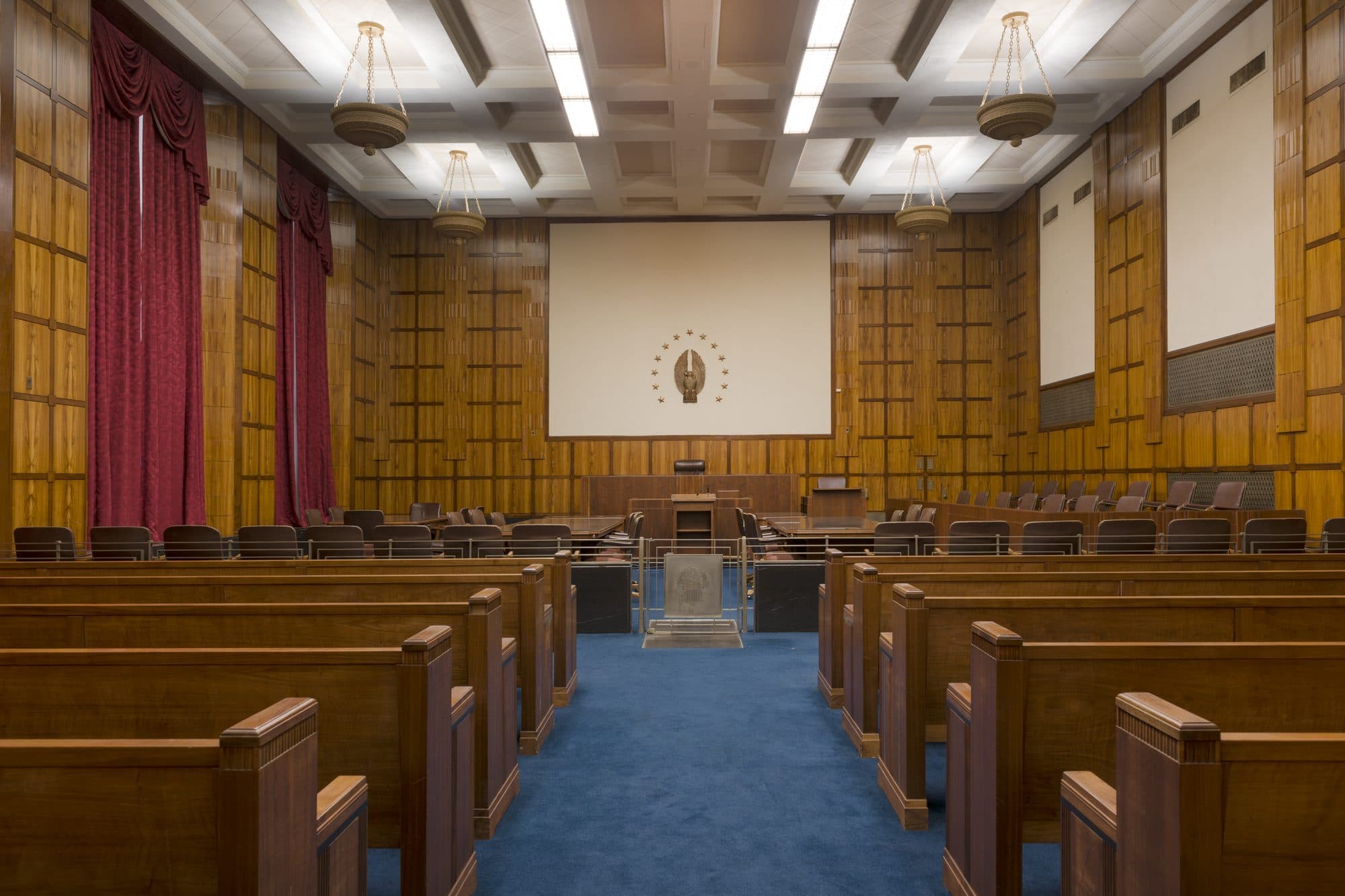
After a federal arrest, the hearing that matters most often comes first. The detention hearing decides whether the person waits for trial at home or locked up, sometimes for a year or more, and it usually happens within three to five days of the first court appearance. We start building the release plan the day you call, talk with the family, and prepare for that hearing. Call any hour, in English or Spanish.
Right now
If someone was just arrested by federal agents.
- 01
Do not talk about the case
Not with agents, not with other people in the holding cell, and not on jail phones or video visits. Those calls are recorded, and prosecutors listen to them.
- 02
Find out the agency and the court
Write down which agency made the arrest (FBI, DEA, HSI, ATF, Border Patrol) and the city. The U.S. Marshals hold people on federal charges, and the first appearance before a magistrate judge is usually the next court day.
- 03
Put the release plan together today
Gather the address where the person would live, a lease or deed, a letter or pay stubs from the employer, and the name of a responsible relative who could serve as a third-party custodian. Know where the passport is.
- 04
Be careful in the pretrial services interview
A pretrial services officer will ask about family, work, health, drug use and past arrests, and the answers go into a report the judge reads. Answer background questions truthfully and do not discuss the charge. A false answer can be used to argue for detention.
- 05
Call us before the hearing
The hearing can be held at the first appearance or within a few days, and the time to prepare is short. The consultation is free and we answer 24/7.
Key deadlines and numbers
- First court appearance
- Without unnecessary delay, usually the next court daySource: Fed. R. Crim. P. 5
- Detention hearing
- At the first appearance, or up to 5 days later if the defense asks, 3 if the government asks (weekends and holidays not counted)Source: 18 U.S.C. 3142(f)
- Cases where the law presumes detention
- Drug charges with a maximum of 10 years or more, 924(c) gun charges and many child-related chargesSource: 18 U.S.C. 3142(e)(3)
- Preliminary hearing if there is no indictment yet
- Within 14 days if held, 21 days if releasedSource: Fed. R. Crim. P. 5.1
- Deadline to indict after an arrest on a complaint
- 30 days, with exclusionsSource: 18 U.S.C. 3161(b)
- If the magistrate orders detention
- A motion to the district judge, which must be decided promptlySource: 18 U.S.C. 3145(b)
Texas law
How release and detention work in federal court.
Federal release is governed by the Bail Reform Act, 18 U.S.C. 3142. The judge has to release the person on the least restrictive conditions that will reasonably make sure they come to court and keep the community safe. Detention is allowed only after a hearing, only in certain kinds of cases, and only if no conditions would be enough.
| Outcome | What it means | Notes |
|---|---|---|
| Personal recognizance or unsecured bond | You sign a promise to appear. No money is posted up front. | Basic conditions always apply: no new crimes and every court date. |
| Release with conditions | Third-party custodian, location monitor, curfew, keeping a job, drug testing, surrendering the passport, no contact with witnesses. | The judge may not set a money condition that keeps the person locked up only because they cannot pay. |
| Secured bond | Cash or property, such as the deed to a home, is posted with the court. | Family members who sign can lose what they post if the conditions are broken. |
| Temporary detention of a non-citizen | Up to 10 days, not counting weekends and holidays, so immigration authorities can be notified. | Applies to people who are not citizens or permanent residents. |
| Detention until trial | The person stays in Marshals custody while the case goes on. | Requires written findings. Danger to the community must be shown by clear and convincing evidence. |
A presumption can be answered
In drug cases with a 10-year maximum or more, 924(c) gun cases and many child-related cases, the law starts from a presumption that no conditions are enough. The defense can answer it with real evidence: a stable home, family and work ties, an old or minor record, and a responsible custodian. The government still carries the burden of persuasion.
Source: 18 U.S.C. 3142(e)(3)What the judge weighs
The nature of the charge, the weight of the evidence, the person's family, job, residence, health, history with drugs or alcohol, past court appearances and record, and whether release would put anyone in danger.
Source: 18 U.S.C. 3142(g)Immigration status changes the plan
A person who is not a citizen or permanent resident can be held up to 10 days so immigration can be notified, and an ICE detainer can mean release from the Marshals leads straight to ICE custody. We talk through that with the family before asking for release, because it changes what is realistic.
Source: 18 U.S.C. 3142(d)A detention order is not the last word
A magistrate's detention order can be reviewed by the district judge. The hearing can also be reopened when there is new, important information, such as a new custodian, a treatment bed or a home that was not available before.
Source: 18 U.S.C. 3145 and 3142(f)(2)How we work
How we prepare for the detention hearing.
Mr. Estrada reads the complaint and sets the strategy. Our associates and bilingual staff work with the family on the release plan, and you get updates in English or Spanish.
01
Read the charging papers
The criminal complaint and the agent's affidavit, or the indictment, tell us which presumption applies, how strong the government says its case is, and what the hearing will be about.
02
Build a release plan the judge can trust
A verified address, a custodian who understands the job, proof of work or a job offer, and treatment if drugs or alcohol are part of the picture. We bring documents, not promises.
03
Prepare the family to testify
A custodian or relative may have to answer the judge's and the prosecutor's questions. We go over what they will be asked, in Spanish if that is easier for them.
04
Question the agent
The government often presents its side through an agent's testimony or a summary. Cross-examining that agent is the first real look at the evidence, and it can show weaknesses that matter later.
05
Seek review if the answer is no
If the magistrate orders detention, we decide with you whether to ask the district judge to review it or to reopen the hearing when the plan improves.
06
Work the case from day one
Release is the first step, not the whole case. We track the indictment deadline, ask for discovery and start looking at the search, the statements and the evidence right away.

Who handles it
The lawyer on the sign is the lawyer on your case.
Mr. Estrada has practiced in Texas since 2003, in state court and in the Northern, Eastern and Western federal districts of Texas. He reads the file and sets the strategy, with associates and staff who work the case alongside him. Everything is explained to you in English or Spanish.
What clients say
“This attorney takes his time with every client, I love that he speaks Spanish so it was nice to fully understand him.”What families ask us after a federal arrest.
- Can we use a bail bondsman like at the county jail?
- Federal court works differently. Release usually depends on conditions, signatures from family members, and sometimes cash or property posted with the court, not a commercial bond. We explain each option and what the family is signing.
- Will ICE pick him up if the judge releases him?
- If there is an ICE detainer, it is possible. That affects whether to ask for release, what to ask for, and how the criminal case and any immigration case fit together. Tell us about status early and privately.
- What happens to his job?
- Release conditions often require keeping or looking for work, and a letter from the employer helps at the hearing. A long detention can cost the job, which is one more reason the first hearing matters.
- Where will he be held, and can we visit?
- The Marshals decide where people are housed, and it can be a facility outside the county. We find out where the person is and how visits and calls work, and we remind everyone that calls are recorded.
Dallas and Odessa
Federal courts for Dallas, Collin, Denton and Odessa.
Arrests in Dallas County go to the Northern District of Texas, Dallas Division, at the Earle Cabell Federal Building on Commerce Street downtown. The same division covers Ellis, Kaufman, Rockwall and several other nearby counties, while Tarrant County cases go to the Fort Worth Division. Collin and Denton County cases go to the Eastern District of Texas, Sherman Division, which holds court in Sherman and Plano. Ector and Midland County cases go to the Western District of Texas, Midland-Odessa Division, in Midland. Mr. Estrada is admitted in all three districts, with offices in Oak Cliff and Odessa.
FAQ
Questions people ask.
How soon is a federal detention hearing?
It is held at the first appearance unless one side asks for more time. The defense can ask for up to 5 days and the government up to 3, not counting weekends and holidays, and the person stays in custody meanwhile. That is why the release plan should start right away.
What is a presumption of detention?
In some cases, like drug charges with a 10-year maximum or more and 924(c) gun charges, the law starts by assuming no conditions are enough. The defense can rebut it with evidence about the person's home, family, work and record. It makes release harder, not impossible.
Can we just pay a bond to get him out?
Not the way it works at a county jail. A federal judge sets conditions after hearing both sides, and money is only one possible condition. The judge cannot keep someone in custody only because the family cannot afford an amount.
Should I talk to the pretrial services officer?
The interview is about background, not guilt, and a complete, honest picture usually helps release. Do not discuss the facts of the charge. If you can, talk to a lawyer before the interview.
If the judge orders detention, can it change?
Yes, in two ways. The district judge can review a magistrate's order, and the hearing can be reopened when there is new and important information. Neither is automatic, so the plan has to be stronger the second time.
Does being detained mean the case is lost?
No. Detention is about risk, not guilt. The evidence, the search, the statements and the sentencing issues are all still ahead, and we keep working them whether the person is home or in custody.
How much does it cost to hire you for a federal case?
The consultation is free. Every federal case is different, so we discuss the fee and payment options up front, before you decide anything.
Related situations
- Federal investigations and target letters
- Federal drug conspiracy
- Federal gun charges
- Illegal reentry (1326)
- Jail release, bond and warrants
- Immigration consequences of a charge
- All: Federal Criminal Defense
Updated October 2026
This page is general information about Texas law, not legal advice for your situation. Reading it does not create an attorney client relationship. Every case is different, and past results do not guarantee a future outcome.
Two offices
Oak Cliff and Odessa.
Mon to Fri 9 to 5, Sat 9 to 12. Emergencies 24/7 by phone.
Law Office of Olegario Estrada, P.C.
We explain everything.We answer 24/7.Se habla español.
Free consultation by phone, video, or in person. Offices in Dallas and Odessa.