
At work
Dallas workplace injury lawyer.
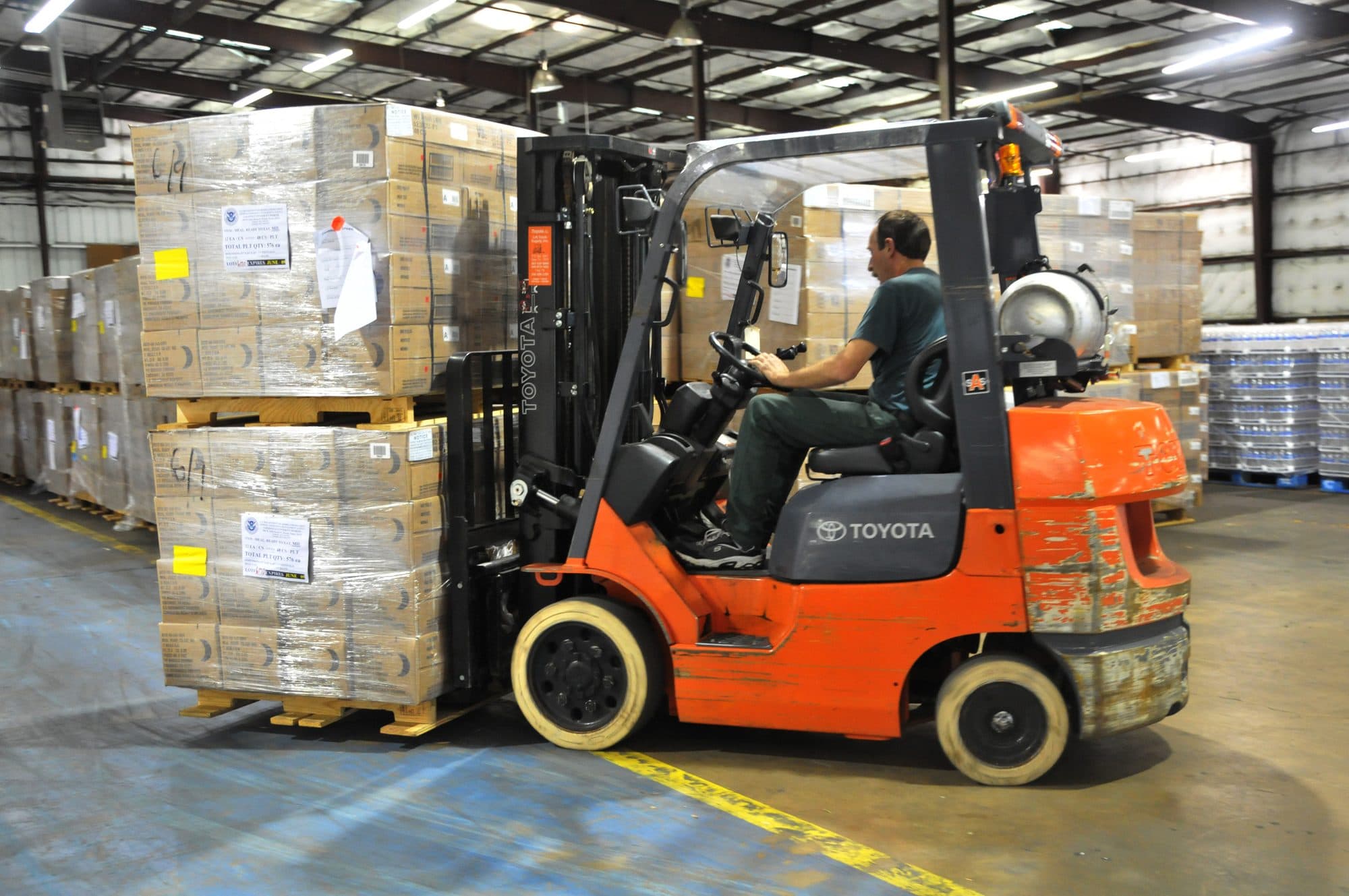
Texas is the only state that lets private employers skip workers' compensation, and that one fact decides what you can do after a work injury. If your employer is a non-subscriber, you may be able to sue it, and the law takes away its favorite excuses. If it has comp, you usually cannot sue the employer, but you may have a separate claim against another company, a driver or an equipment maker. Report the injury in writing now, and call us so we can tell you which path you are on.
Right now
If you were just hurt at work.
- 01
Get medical care and say it happened at work
Tell the doctor exactly how you were hurt on the job. If your employer sends you to a company clinic, you can still see your own doctor too.
- 02
Report the injury in writing
If your employer has workers' comp, you must tell it within 30 days. Some non-subscriber company plans demand a report by the end of the shift. A text or email to your supervisor, with the date, time and what happened, creates a record. Keep a copy.
- 03
Ask whether the company has workers' comp
Texas employers must tell workers whether they have coverage. Look for a notice posted at work, or ask in writing.
- 04
Do not sign a waiver or release
Some non-subscriber employers ask injured workers to sign papers giving up their right to sue in exchange for benefits. Texas limits these waivers, but signing one can still cause problems. Let us read it first.
- 05
Write down names and take photos
Coworkers who saw it, the supervisor, the machine or ladder involved, and the area. Equipment gets repaired and sites get cleaned quickly.
- 06
Call us
We can tell you whether you are dealing with a comp claim, a lawsuit, a third-party claim or more than one. The consultation is free, in English or Spanish.
Key deadlines and numbers
- Tell an employer with comp
- Within 30 days of the injurySource: Tex. Labor Code 409.001
- File a comp claim with the state
- Within 1 year of the injurySource: Tex. Labor Code 409.003
- Sue a non-subscriber employer or a third party
- Generally 2 years from the injurySource: Tex. Civ. Prac. & Rem. Code 16.003
- Firing you for filing a comp claim
- Illegal in TexasSource: Tex. Labor Code 451.001
- Waivers signed before an injury
- Void when a non-subscriber makes you give up your right to sue in advanceSource: Tex. Labor Code 406.033
Texas law
Your two paths after a work injury in Texas.
The first question is always whether your employer carries workers' compensation. The answer changes who pays, what you can recover and whether you can go to court against your employer.
| Question | Employer has workers' comp | Employer is a non-subscriber |
|---|---|---|
| Can you sue your employer? | Usually no. Exception: a family may seek punitive damages if gross negligence caused a death | Yes, if the employer's negligence helped cause the injury |
| Do you have to prove fault? | No. Benefits are paid regardless of fault | Yes, but the employer cannot blame you, a coworker, or say you accepted the risk |
| What you can recover | Medical care and part of lost wages, set by statute. No pain and suffering | Full damages: medical, lost income, pain, impairment and more |
| Claims against others | Yes, against a third party such as another contractor, a driver or an equipment maker | Yes, the same third-party claims are open |
Non-subscribers lose their usual defenses
A non-subscriber cannot argue that you were careless, that a coworker caused it, or that you knew the job was dangerous. Its main remaining defenses are that you were intoxicated or hurt yourself on purpose. You still have to prove the employer was negligent, for example unsafe equipment, no training or too few workers for the job.
Source: Tex. Labor Code 406.033Workers' comp is usually the only claim against a covered employer
When the employer has comp, benefits are generally your only remedy against it. If a worker dies from the employer's gross negligence, the spouse and children can sue for exemplary damages.
Source: Tex. Labor Code 408.001Third-party claims are often the biggest piece
On job sites with several companies, the one that caused your injury may not be your employer. A general contractor, a subcontractor, a property owner with control, a driver or a machine maker can be sued, even if you are receiving comp. The comp carrier may be repaid from that recovery.
Source: Tex. Labor Code 417.001Retaliation is against the law
An employer may not fire or discriminate against you for filing a comp claim in good faith, hiring a lawyer for it, or testifying in a comp case.
Source: Tex. Labor Code 451.001How we work
How we build a work injury case.
Mr. Estrada reads your file and sets the strategy. Our team works the details with him, and you get updates in English or Spanish.
01
Find out which path applies
We confirm whether your employer had comp coverage on the date of injury, whether you were an employee or treated as a contractor, and which other companies were on the site.
02
Preserve the evidence
Preservation letters for the equipment involved, video, incident reports, safety meeting records, training files, and any OSHA inspection or report.
03
Prove the safety failure
OSHA rules and industry standards help show what a safe employer would have done. We talk to coworkers and, when needed, bring in a safety consultant or engineer.
04
Measure the full loss
We work with medical experts, life care planners and economists to put a number on future medical care and the work you can no longer do.
05
Coordinate comp and the lawsuit
When there is both a comp claim and a third-party suit, we handle the comp carrier's lien and make sure benefits keep coming while the suit moves forward.

Who handles it
The lawyer on the sign is the lawyer on your case.
Mr. Estrada has practiced in Texas since 2003, in state court and in the Northern, Eastern and Western federal districts of Texas. He reads the file and sets the strategy, with associates and staff who work the case alongside him. Everything is explained to you in English or Spanish.
What clients say
“Olegario firm made me feel like I was at home. As soon as I walked in the receptionist was very kind and professional.”Questions workers ask us.
- Can I be fired for getting hurt?
- Texas is an at-will state, but firing you because you filed a comp claim is illegal. Tell us if you were threatened or let go after reporting an injury.
- I do not have papers. Can I still make a claim?
- Injured workers in Texas can bring injury claims regardless of immigration status, and Texas courts have limited the use of immigration status in injury trials. Lost wage claims can raise questions, so talk to us privately. What you tell us stays between you and the firm.
- They paid me in cash and said I am a contractor.
- What matters is who controlled your work, not what they called you. Many day laborers and cash workers are employees under the law. We sort this out.
- Will I pay taxes on a settlement?
- Money received for physical injuries is generally not taxable income under federal law, though some parts can be. We point you to a tax professional for your specific case.
Dallas and Odessa
Work injuries in Dallas and the Permian Basin.
From our Oak Cliff office on Jefferson Boulevard we represent warehouse, distribution, construction, manufacturing, restaurant, landscaping and road crew workers across Dallas County, many of whom work for non-subscriber employers. Our Odessa office serves workers in the oilfields, gas plants, pipeline yards and trucking operations of the Permian Basin in Ector and Midland counties.
FAQ
Questions people ask.
Can I sue my employer for a work injury in Texas?
If your employer is a non-subscriber with no workers' comp, usually yes, if its negligence helped cause the injury. If it has comp, you generally cannot, except for gross negligence that causes a death. You may still sue other companies involved.
How do I know if my employer has workers' comp?
Employers must notify workers, often with a posted notice. You can also ask in writing, and the Texas Department of Insurance keeps coverage records. We check this for our clients.
My employer says I was careless. Does that end my case?
Not against a non-subscriber. Texas law bars it from using your own carelessness as a defense. With a comp employer, fault does not matter for benefits.
What is a third-party claim?
It is a claim against someone other than your employer who helped cause the injury, such as another contractor on the site, a driver, or the maker of defective equipment. It can include pain and suffering that comp does not pay.
My employer wants me to sign papers to get medical benefits. Should I?
Not before a lawyer reads them. Non-subscriber benefit plans often include arbitration or waiver terms. Texas law limits when a waiver signed after an injury is valid, and the details matter.
How much does it cost to hire you?
The first consultation is free. Injury cases are handled on a contingency fee, which means the fee comes out of the recovery, not out of your pocket. We explain the exact terms, including case costs, before you sign.
Related situations
- Construction accidents
- Heavy equipment accidents
- Chemical plant and refinery accidents
- Oilfield injuries
- Defective products
- Wrongful death
- All: Personal Injury
Updated October 2026
This page is general information about Texas law, not legal advice for your situation. Reading it does not create an attorney client relationship. Every case is different, and past results do not guarantee a future outcome.
Two offices
Oak Cliff and Odessa.
Mon to Fri 9 to 5, Sat 9 to 12. Emergencies 24/7 by phone.
Law Office of Olegario Estrada, P.C.
We explain everything.We answer 24/7.Se habla español.
Free consultation by phone, video, or in person. Offices in Dallas and Odessa.