
Federal charges
Odessa alien smuggling and transporting (1324) lawyer.
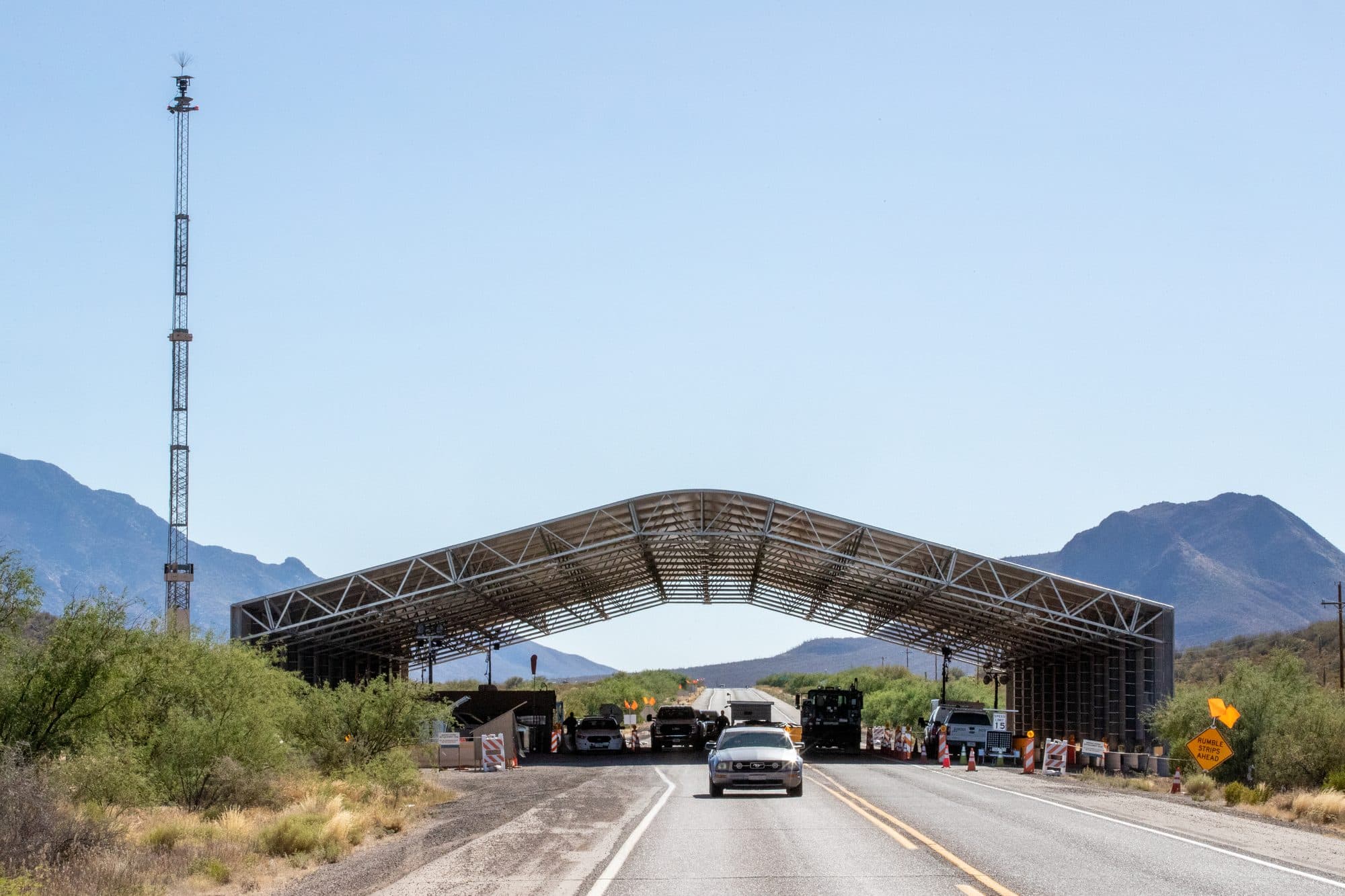
Many smuggling and transporting cases in West Texas start the same way: a driver answers a social media post offering quick money, picks up passengers, and is stopped on I-20 or at a checkpoint. Federal law punishes each person transported separately, and the penalties climb fast when there is money, danger or injury. The defense often turns on what the driver actually knew and how the stop happened. Call our Odessa office before you say anything more.
Right now
If you or a family member was just arrested.
- 01
Do not explain yourself to agents
Border Patrol and HSI agents will ask who hired you, how much you were paid and what you knew. Those answers usually become the case. Ask for a lawyer.
- 02
Do not agree to a phone search
Say you do not consent. If agents want the phone, they generally need a warrant, and how they got into it may matter later.
- 03
Do not delete accounts or messages
Deleting social media or chats can be charged as obstruction, and those messages may show you were misled about what the job was.
- 04
Family: write down what you know
Where and when he was stopped, whose car it was, and who contacted him about the trip. Keep any screenshots he sent you.
- 05
Call us before the detention hearing
The first hearing in Midland can come within days. The consultation is free, in Spanish or English, and we answer 24/7.
Key deadlines and numbers
- Transporting or harboring
- Up to 5 years per person, 10 if done for moneySource: 8 U.S.C. 1324(a)(1)(B)
- Serious injury or a life put in danger
- Up to 20 years per personSource: 8 U.S.C. 1324(a)(1)(B)(iii)
- Bringing people in for profit
- 3-year minimum for a first or second offenseSource: 8 U.S.C. 1324(a)(2)(B)
- What the government must show you knew
- That the passengers were here unlawfully, or reckless disregard of that factSource: 8 U.S.C. 1324(a)(1)(A)
- The vehicle
- Can be seized and forfeitedSource: 8 U.S.C. 1324(b)
- Texas state human smuggling
- A separate state felony, with a 10-year minimum in most cases since 2024Source: Tex. Penal Code 20.05
Texas law
How federal smuggling and transporting law works.
8 U.S.C. 1324 covers bringing people into the country, transporting or moving them inside it, hiding or harboring them, and encouraging them to come or stay. Conspiracy and helping are covered too. Each person involved can be its own count, which is why the numbers add up quickly.
| Conduct | Range of punishment | Notes |
|---|---|---|
| Transporting, harboring or encouraging | Up to 5 years | Aiding or helping carries the same range. |
| The same conduct done for money, or bringing people in, or conspiracy | Up to 10 years | Payment for the trip is usually what moves a case into this tier. |
| Bringing people in for profit (1324(a)(2)(B)) | 3 to 10 years (first or second offense), 5 to 15 years after that | Mandatory minimum per person. |
| Serious bodily injury or placing a life in jeopardy | Up to 20 years | Overcrowding, hiding people in a trunk or trailer, or a high-speed chase can be argued as danger. |
| Death resulting | Up to life | The law also allows the death penalty in these cases. |
Knowledge is often the real question
The government must show you knew, or recklessly ignored, that the passengers were in the country unlawfully, and that the trip helped them stay. A driver told he was giving workers a ride is in a different position from one who loaded people at a stash house. Messages, payments and what was said on the road all matter.
Source: 8 U.S.C. 1324(a)(1)(A)(ii)The stop has to be lawful
At a permanent Border Patrol checkpoint, agents may briefly stop cars and ask about citizenship without suspicion. A roving patrol stop on the highway needs reasonable suspicion, and searching the car beyond a brief look needs consent or probable cause. Bodycam, dashcam and dispatch records can show whether those lines were crossed.
Source: United States v. Brignoni-Ponce (1975)The passengers are witnesses too
Passengers are often held as material witnesses and then removed after a recorded deposition. The defense has a right to question them, and what they say about who arranged the trip and what the driver knew can help.
Source: 18 U.S.C. 3144What raises the sentence
Under the smuggling guideline, the number of people, dangerous conditions, minors traveling alone, injuries and any weapon raise the range. A minor role and a clean record can lower it.
Source: USSG 2L1.1 (USSC immigration primer)How we work
How we defend a smuggling or transporting case.
Mr. Estrada reviews the stop, the statements and the phone evidence and sets the strategy. Associates and staff in Odessa and Dallas work the case with him and keep the family informed in Spanish or English.
01
Rebuild the stop
Video, dispatch logs, checkpoint records and the agents' reports, compared minute by minute, to see whether the stop and search were lawful.
02
Go through the phone evidence
The recruiting posts, chats and location data often show who organized the trip and what the driver was told. They can cut both ways, so we read them before the government frames them.
03
Question the passengers in time
Material witnesses may be deposed and removed quickly. We push to be present and ask our own questions before that window closes.
04
Challenge the knowledge and the count
We test whether the government can prove knowledge, payment and danger, and whether each passenger can really be counted against the client.
05
Prepare for the plea or the trial
If the case resolves by plea, the guideline factors decide a lot, and we argue role, age, recruitment and family circumstances at sentencing. If it goes to trial, we are ready.

Who handles it
The lawyer on the sign is the lawyer on your case.
Mr. Estrada has practiced in Texas since 2003, in state court and in the Northern, Eastern and Western federal districts of Texas. He reads the file and sets the strategy, with associates and staff who work the case alongside him. Everything is explained to you in English or Spanish.
What clients say
“Olegario firm made me feel like I was at home. As soon as I walked in the receptionist was very kind and professional.”What else is at stake.
- Immigration status
- For a non-citizen, including a permanent resident, a smuggling conviction is generally an aggravated felony, with a narrow exception for a first offense helping only a spouse, child or parent. It can also bar future visas or green cards. The plea has to account for that.
- The car or truck
- Vehicles used in smuggling can be seized. If it belongs to a parent, spouse or employer who knew nothing, they may be able to file a claim, but the deadline in the notice letter is short.
- Work and a commercial license
- A federal felony shows up on background checks, and a conviction involving a work vehicle can put a commercial driver's license at risk. Tell us about your job and license early.
Dallas and Odessa
Smuggling cases in West Texas and Dallas.
Arrests in Ector and Midland counties, often after stops on I-20 or on highways coming north from the border, are charged in the Western District of Texas, Midland-Odessa Division, which holds court in Midland. Depending on the county where the stop happened, a case may go to a different West Texas division, such as Pecos. In Dallas, harboring and transporting cases go to the Northern District at the Earle Cabell Federal Building. Our Odessa office on Diego Road (432-315-3392) is minutes from the Ector County courthouse.
FAQ
Questions people ask.
I was only driving. Can I still be charged?
Yes. Transporting is a crime by itself if the government can prove you knew, or recklessly ignored, that the passengers were here unlawfully. What you were told, what you saw and what you were paid are the key facts.
Someone offered me money on social media to pick people up. Is that a federal crime?
It can be, and payment can double the maximum per person. If you already did it or were arrested, do not contact the recruiter again and talk to a lawyer before saying anything.
How much time can I get for transporting?
The maximum is 5 years per person, 10 if done for money, and more with danger, injury or death. The likely sentence depends on the guidelines: the number of people, the conditions, your role and your record.
Will my case be state or federal?
Either, and sometimes the decision is made in the first days. Texas raised its own human smuggling penalties in 2024, so the choice of court can change the range a great deal. We look at both.
What happens to the passengers?
Some are held as material witnesses, give a recorded statement and are then removed. Others are processed by immigration right away. Their statements can matter to your defense, so timing is important.
Will they keep my car?
The government can seek to forfeit it. Owners who did not know about the trip may be able to file a claim, but only within the deadline in the notice, so bring us any letter right away.
How much does it cost to hire you?
The consultation is free. We discuss the fee and payment options up front, and you can meet with us at our Odessa or Oak Cliff office.
Related situations
- State human smuggling charges
- Illegal reentry (1326)
- Federal arrest and detention hearing
- Federal sentencing and plea deals
- Immigration consequences of a charge
- Texas SB 4 illegal entry charges
- All: Federal Criminal Defense
Updated October 2026
This page is general information about Texas law, not legal advice for your situation. Reading it does not create an attorney client relationship. Every case is different, and past results do not guarantee a future outcome.
Two offices
Oak Cliff and Odessa.
Mon to Fri 9 to 5, Sat 9 to 12. Emergencies 24/7 by phone.
Law Office of Olegario Estrada, P.C.
We explain everything.We answer 24/7.Se habla español.
Free consultation by phone, video, or in person. Offices in Dallas and Odessa.