
Arrest and investigation
Dallas federal investigation and target letter lawyer.
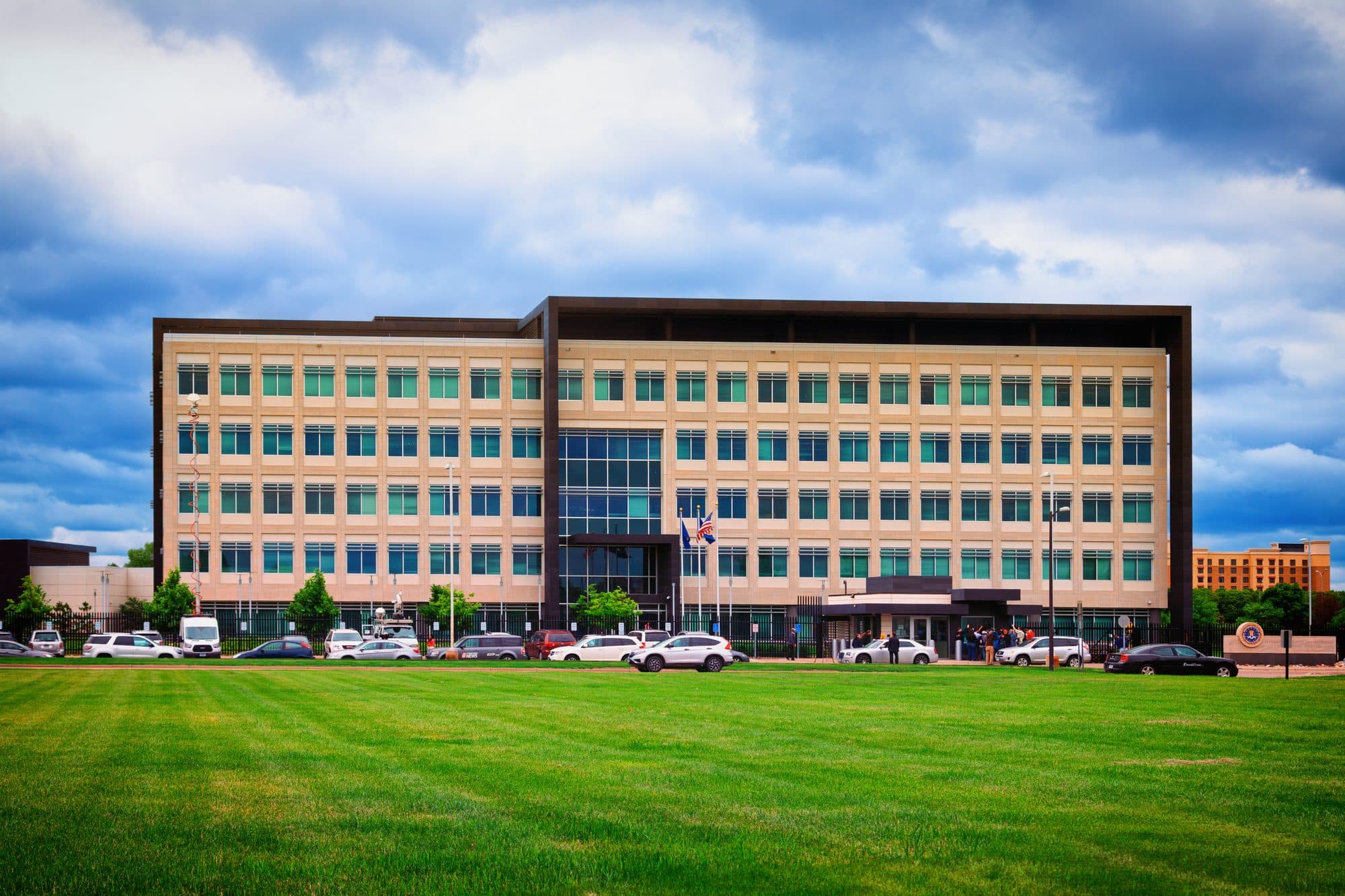
If federal agents came to your home or work, searched your property, or sent you a target letter or a grand jury subpoena, the case is already being built. What you say and do in the next few days can matter more than anything that comes later. Do not explain yourself to agents and do not delete or move anything. Call us first, and we will find out where you stand and speak for you.
Right now
If agents just contacted you.
- 01
Be polite, and do not answer questions
You can say: "I want to talk to a lawyer before I answer any questions." Agents often come without warning and say they only want to clear things up. A false statement to a federal agent is a crime by itself, even if you are not under oath.
- 02
Do not delete, move or hide anything
Texts, emails, files, business records, phones and computers stay exactly as they are. Destroying records in a federal investigation can carry up to 20 years, more than many of the crimes being investigated.
- 03
If there is a search warrant, do not get in the way
Ask for a copy of the warrant and the list of what they take. Do not resist and do not agree to let them search anything the warrant does not cover. Write down the agents' names and agency.
- 04
Do not call the others involved
Calling coworkers, partners or family to compare stories can look like witness tampering, and some of those people may already be talking to the government.
- 05
Bring us every piece of paper
The target letter, subpoena, warrant, inventory and the agent's business card tell us a lot. The consultation is free, and what you tell us is confidential.
Key deadlines and numbers
- Lying to a federal agent
- Up to 5 years, even without an oathSource: 18 U.S.C. 1001
- Destroying or altering records
- Up to 20 years, even before any charge is filedSource: 18 U.S.C. 1519
- Time limit to charge most federal crimes
- 5 years from the offenseSource: 18 U.S.C. 3282
- Bank fraud and offenses affecting a bank
- 10 years. PPP and EIDL loan fraud also have 10 years.Source: 18 U.S.C. 3293
- Grand jury
- 16 to 23 citizens meeting in secret. 12 must agree to indict.Source: Fed. R. Crim. P. 6
Texas law
How a federal investigation works, and the mistakes that become new charges.
Federal cases are usually built for months before anyone is arrested. Agents gather bank records, phone records and witness statements, and a prosecutor presents the case to a grand jury in secret. The biggest risk at this stage is often a new charge created by what a person does after learning of the investigation.
| Conduct | Maximum prison term | Notes |
|---|---|---|
| False statement to an agent (18 U.S.C. 1001) | 5 years | Any material lie, spoken or written, under oath or not. |
| Destroying, deleting or altering records (18 U.S.C. 1519) | 20 years | Includes texts, emails and phones, and applies before any case is filed. |
| Witness tampering (18 U.S.C. 1512(b)) | 20 years | Pressuring or persuading someone to lie, stay quiet or hide evidence. |
| Obstructing an official proceeding (18 U.S.C. 1512(c)) | 20 years | Hiding or destroying evidence meant for a grand jury or court. |
| False testimony to a grand jury (18 U.S.C. 1623) | 5 years | Witnesses testify without their lawyer in the room. |
Target, subject or witness
Prosecutors sort people into three groups. A target is someone they have substantial evidence against and consider a likely defendant. A subject is someone whose conduct is within the investigation. A witness has information. Your status can change, and knowing it shapes every decision.
Source: Justice Manual 9-11.151A target letter is a window
Justice Department policy is to notify many targets before a grand jury votes and offer a chance to testify. It usually means charges are being considered, and it is often the right moment for a lawyer to talk to the prosecutor.
Source: Justice Manual 9-11.153You have the right to stay silent
No one can force you to be a witness against yourself. A grand jury witness can refuse to answer questions that could incriminate them and can step out of the room to talk to a lawyer.
Source: U.S. Const. amend. VProffers are not free
A proffer, sometimes called queen for a day, is a meeting where you tell prosecutors what you know under a written agreement. Your words usually cannot be used directly against you in their main case, but they can lead agents to other evidence and can be used if you later say something different. It is a decision for after we know the evidence, not before.
Source: Fed. R. Evid. 410How we work
How we step in before charges.
Mr. Estrada reviews the papers and sets the strategy. Associates and staff work with him to gather documents and keep you informed, in English or Spanish.
01
Find out where you stand
We contact the agent or the Assistant U.S. Attorney so they talk to us, not you, and learn what we can about the scope of the case and whether you are a target, subject or witness.
02
Protect the records
We tell you what to keep, how to keep it, and how to get documents to us under attorney-client privilege, so nothing can be called destruction later.
03
Review the search
We compare the warrant to what was taken. Items outside the warrant, a weak affidavit or a bad search of a phone can support a motion to suppress later, and a motion can ask for property to be returned.
04
Answer the subpoena the right way
Subpoenas for documents or testimony have deadlines and limits. We talk with the prosecutor about scope and timing and protect privileges and your right to remain silent.
05
Decide whether to talk at all
Sometimes silence is right. Sometimes a written proffer agreement and careful preparation make sense. We decide that with you after we understand the evidence.
06
Negotiate before an indictment
Before a grand jury votes, there may be room to present information, argue for no charges or a lesser charge, or arrange a self-surrender instead of an arrest at home.

Who handles it
The lawyer on the sign is the lawyer on your case.
Mr. Estrada has practiced in Texas since 2003, in state court and in the Northern, Eastern and Western federal districts of Texas. He reads the file and sets the strategy, with associates and staff who work the case alongside him. Everything is explained to you in English or Spanish.
What clients say
“He made sure he addressed all of our questions and put us at ease. He never made it seem like we were an inconvenience.”What else people worry about.
- I am not a citizen. Should I talk to agents?
- Be even more careful. Statements about how you entered the country, your papers or the case can lead to criminal charges and to removal. Talk to us first, privately.
- Can they freeze my accounts or take my car?
- Yes, through seizure warrants and forfeiture, sometimes before any charge. Forfeiture notices have short deadlines to file a claim, so bring us any letter about seized property right away.
- Will my employer or license board find out?
- Agents often contact employers, banks and business partners. If you hold a professional license, there may be reporting rules. We plan for that with you so you are not caught off guard.
Dallas and Odessa
Federal investigations in North and West Texas.
Cases from Dallas and nearby counties are handled by the U.S. Attorney's Office for the Northern District of Texas, and grand juries sit at the Earle Cabell Federal Building in downtown Dallas. Collin and Denton County investigations usually go through the Eastern District of Texas, and Ector and Midland County cases through the Western District's Midland-Odessa Division. The agencies we see most are the FBI, DEA, HSI, ATF and IRS Criminal Investigation. Mr. Estrada is admitted in all three districts.
FAQ
Questions people ask.
What does a federal target letter mean?
It means the prosecutor considers you a likely defendant and is telling you before the grand jury acts. It is not a charge yet. It is often the right moment to have a lawyer talk to the prosecutor.
Agents say they just want to talk. Do I have to?
No. You can politely decline and give them your lawyer's number. Agents may write down what you say in a report you never get to review, and any mistake can be treated as a lie.
Can I be charged for lying even if I did nothing else wrong?
Yes. A false statement to a federal agent and destroying records are separate crimes. People are sometimes charged with those even when the original suspicion goes nowhere.
I got a grand jury subpoena. Am I in trouble?
Not necessarily. Many people subpoenaed are witnesses or record keepers. But you should know your status before you testify or hand anything over, because witnesses can become subjects.
What is a proffer or queen for a day?
A meeting with prosecutors under a written agreement that limits how your words can be used. The limits have exceptions that matter. Never go to one without a lawyer who knows the evidence.
How long can a federal investigation last?
Months or years. Most federal crimes must be charged within 5 years, and bank fraud and PPP or EIDL loan fraud within 10. Silence from the agents does not mean the case is closed.
How much does it cost to hire you?
The first consultation is free. We discuss the fee and payment options up front, once we understand what stage the investigation is in.
Related situations
- Federal arrest and detention hearing
- Wire, bank and PPP fraud
- Money laundering
- Federal drug conspiracy
- Federal sentencing and plea deals
- Other federal cases
- All: Federal Criminal Defense
Updated October 2026
This page is general information about Texas law, not legal advice for your situation. Reading it does not create an attorney client relationship. Every case is different, and past results do not guarantee a future outcome.
Two offices
Oak Cliff and Odessa.
Mon to Fri 9 to 5, Sat 9 to 12. Emergencies 24/7 by phone.
Law Office of Olegario Estrada, P.C.
We explain everything.We answer 24/7.Se habla español.
Free consultation by phone, video, or in person. Offices in Dallas and Odessa.